Social value has become one of the most talked-about and misunderstood concepts in UK housing.
- For some, it’s a procurement requirement.
- For others, it’s a line in a tender response.
- For communities, it’s the difference between development happening to them and development that genuinely improves their lives.
In reality, social value is none of those things on its own. It’s the measurable, lasting impact a housing project has on people, place and opportunity, beyond the homes themselves.
And in today’s housing environment, it matters more than ever.
A practical definition of social value in housing
At its simplest, social value answers one question:
What positive change does this development create for the local area?
That change can be economic, social, or environmental, and, crucially, it should be intentional, measurable, and delivered over time.
In housing, this often includes:
-
Creating jobs, apprenticeships and work placements
-
supporting local SMEs through supply-chain spend
-
improving resident wellbeing, safety and inclusion
-
delivering warmer, healthier, more affordable-to-run homes
-
strengthening communities through skills, facilities and long-term support
Social value isn’t about replacing the core purpose of development. It’s about ensuring that development leaves places stronger than they were before.
Why social value now sits at the centre of UK housing
Rising expectations from partners and communities
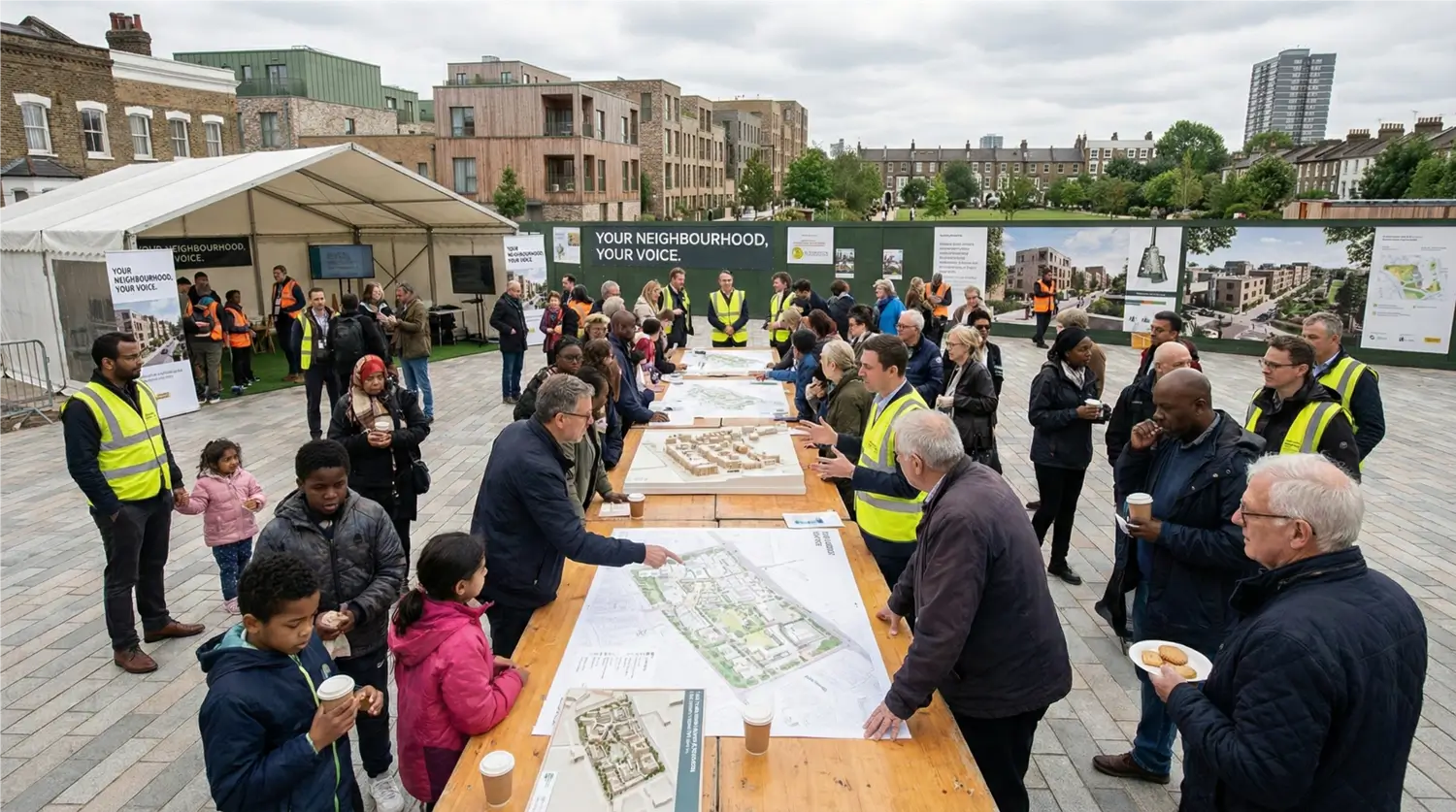
Housing-led regeneration increasingly takes place in areas where development has a visible and lasting impact on existing communities. Residents, local authorities and stakeholders want clarity on how projects will benefit the people who live and work nearby, not just the finished buildings.
Procurement and accountability

Public-sector-linked housing work now places greater emphasis on how social value is planned, delivered and reported. Generic commitments are no longer enough. Partners are expected to demonstrate outcomes, delivery plans and accountability throughout the project.
Pressure on affordability and quality
With affordability, energy costs and housing quality under sustained pressure, social value has expanded beyond “community initiatives” to include measures such as fuel poverty reduction, energy efficiency and long-term living costs. Better homes deliver social value in their own right.
The social value priorities that matter most in housing
1. Economic value: keeping opportunity local
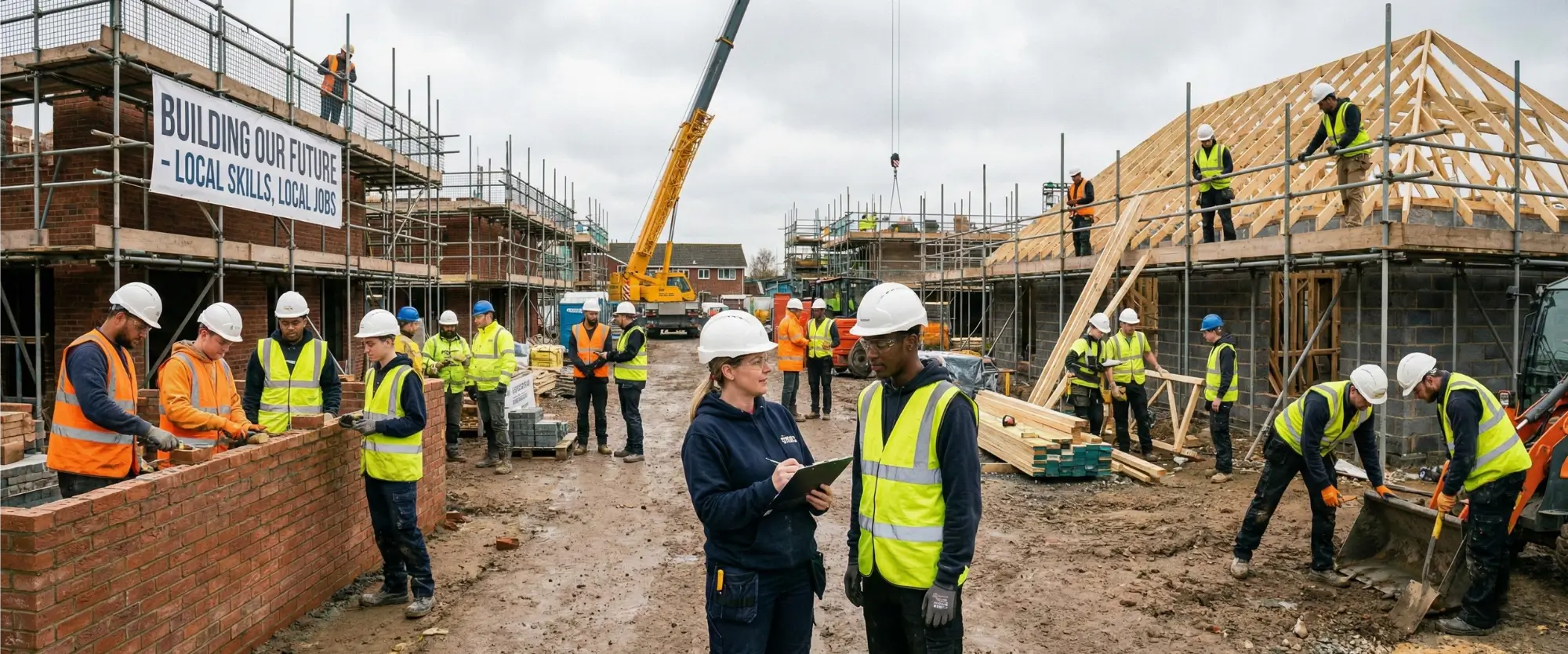
Economic social value is about making sure development strengthens the local economy, rather than bypassing it.
In practical terms, this usually means:
-
employing people from the local area
-
offering apprenticeships and structured training
-
creating genuine work placements, not token roles
-
using local suppliers and SMEs wherever possible
-
building skills that remain long after construction ends
When this is done properly, development leaves behind more than new homes. It leaves behind stronger businesses, improved employability and greater economic confidence in the area.
2. Social value: wellbeing, safety and inclusion
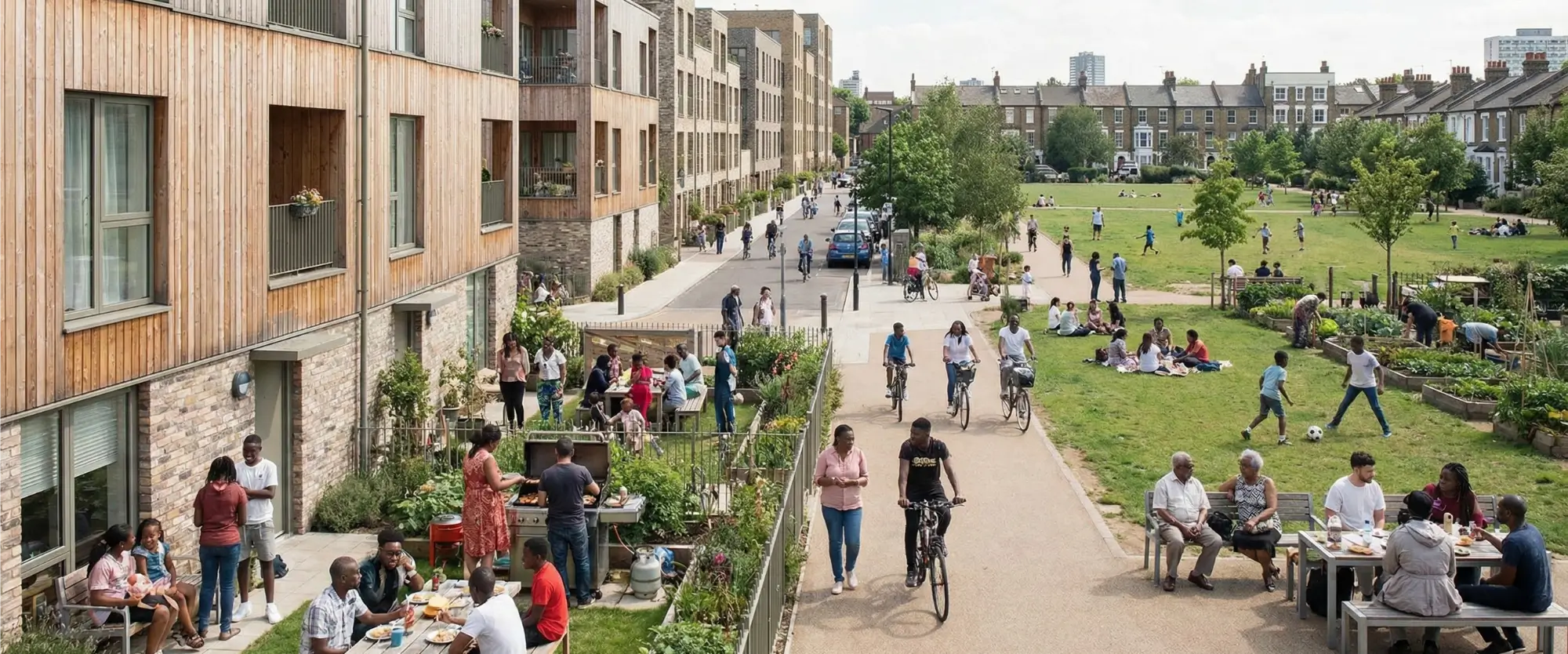
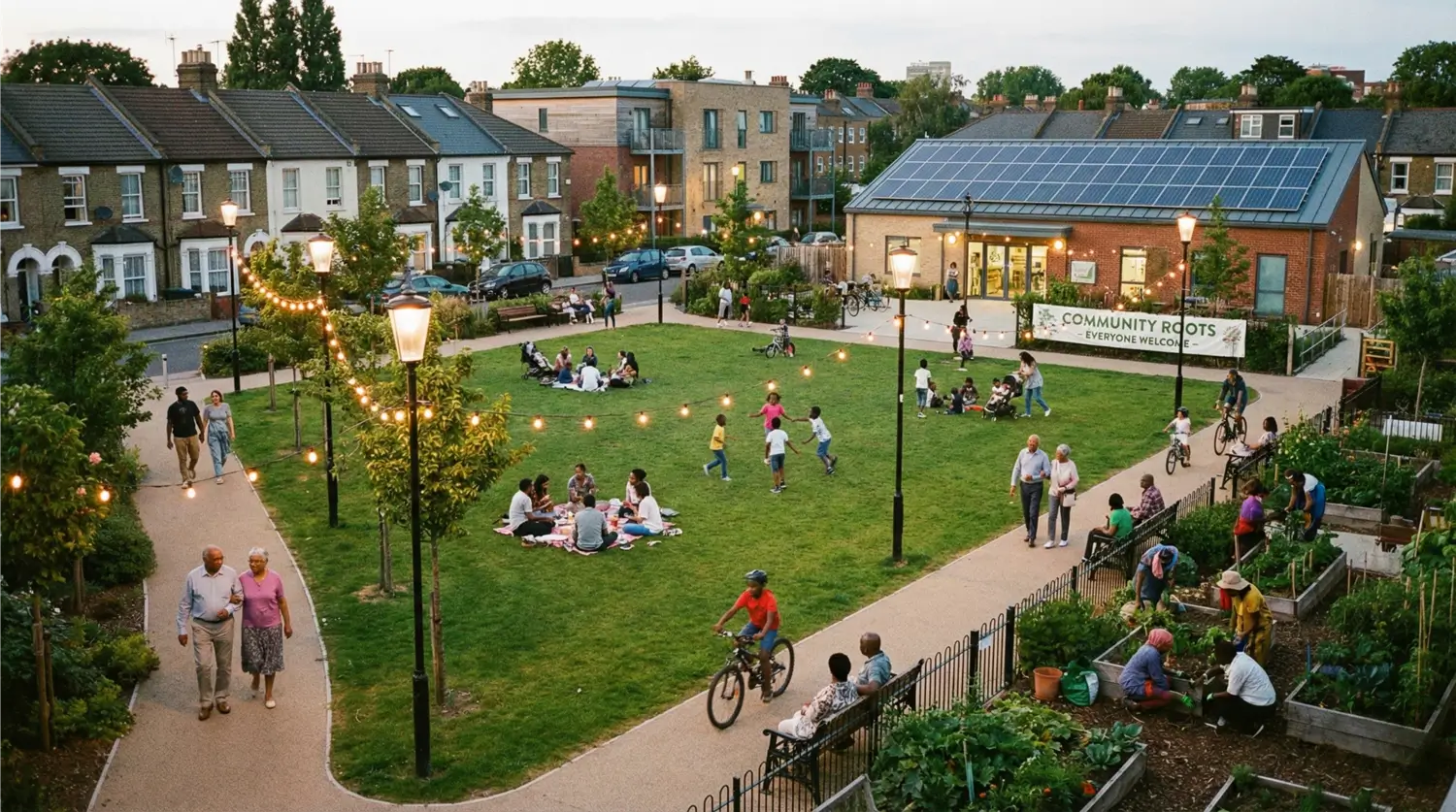
This is where social value moves beyond metrics and into everyday life. It’s about how people feel in the places created, whether they feel safe, supported and part of a community, not just housed within it.
Strong housing developments contribute to:
-
improved health and well-being outcomes
-
safer, more inclusive environments
-
reduced isolation and stronger community connections
-
accessible spaces that are actively used, not just provided
Social value here isn’t about one-off events. It’s about designing places where people can live well, feel secure and access opportunity.
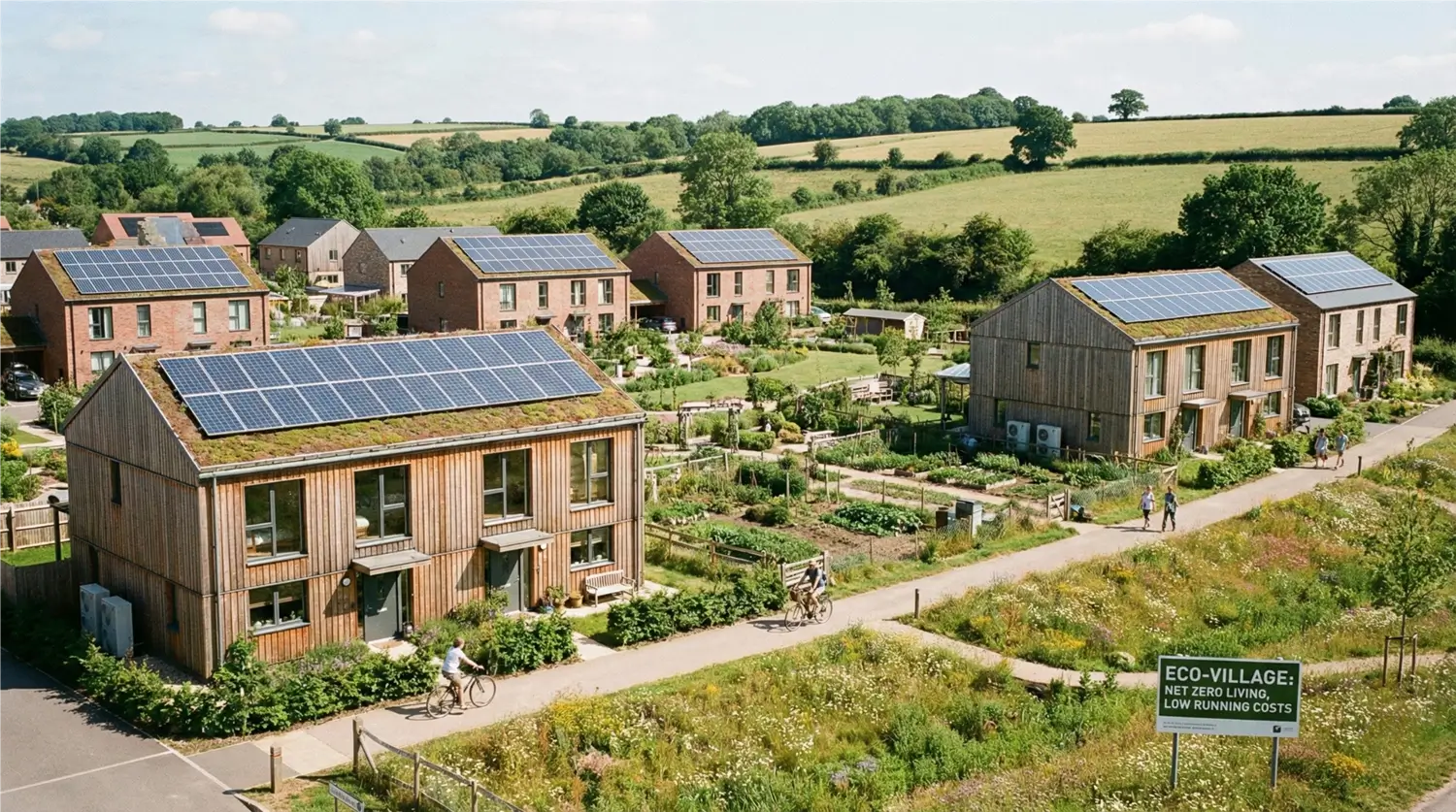
3. Environmental value: healthier homes, lower bills
In housing, environmental performance shows up in everyday living. It affects whether a home keeps its heat, how much residents spend on energy usage, and how comfortable the space feels throughout the year.
This comes down to a few clear outcomes:
-
homes that hold heat and cost less to run
-
lower energy bills, particularly for those most at risk of fuel poverty
-
better ventilation and air quality
-
fewer long-term maintenance issues
-
buildings designed to meet future energy standards
This isn’t about technical compliance for its own sake. It’s about delivering homes that are comfortable, affordable and fit for the years ahead.
What good social value looks like in practice
You can usually tell when social value has been properly thought through.
It starts with an understanding of what actually matters in the local area, focuses on a small number of outcomes that are relevant to that place, and sets out who is responsible for delivering them.
The strongest approaches are clear about how progress will be tracked, reported and reviewed and they don’t stop once the build is complete.
The most successful projects embed social value into planning, delivery and long-term stewardship, rather than treating it as a standalone activity.
Social value and regeneration-led development
Social value is significant in regeneration projects, where development reshapes how an area functions and who benefits from it.
Transforming under-utilised industrial or commercial sites into high-quality homes brings clear opportunity but also responsibilities. The strongest regeneration schemes are those that combine physical transformation with long-term social and economic benefit for the surrounding community.
This is where a focus on shared value, responsible partnerships and long-term thinking makes the greatest difference.
A simple social value checklist for housing partners
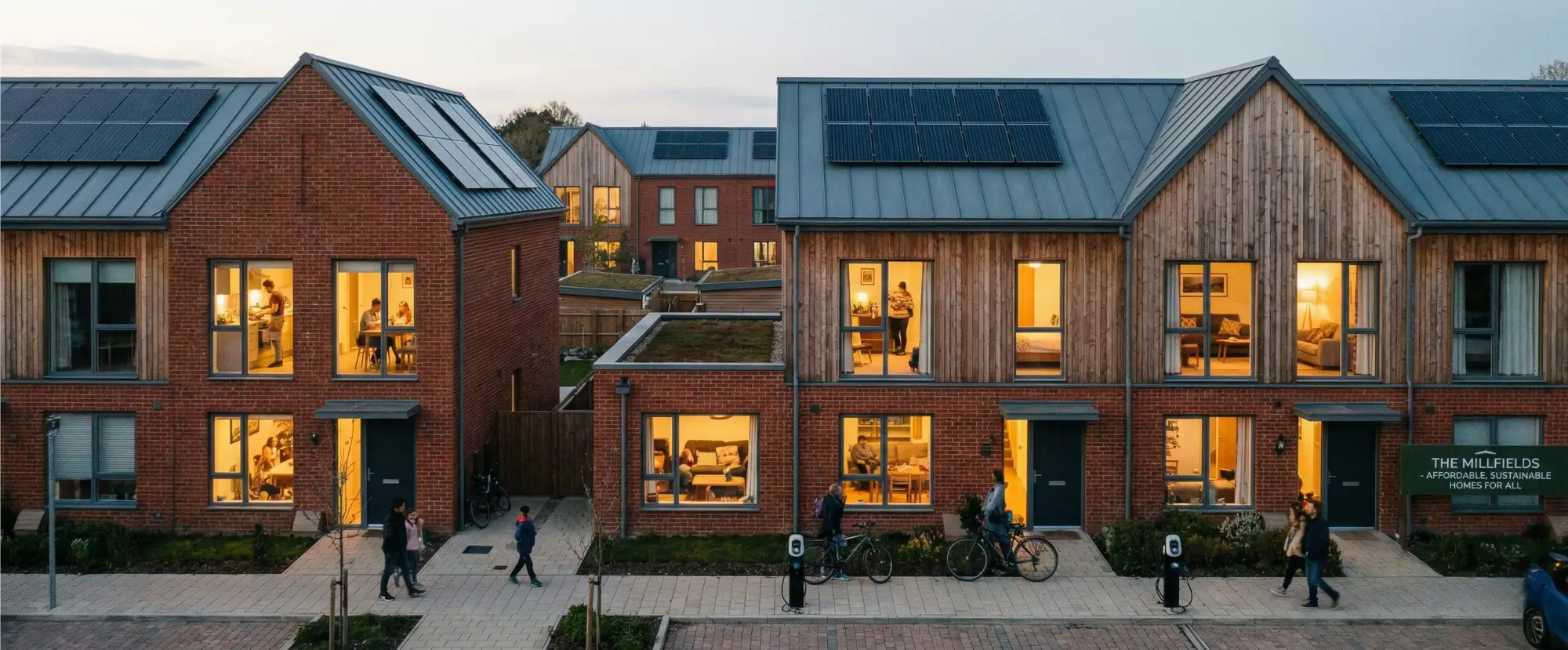
For landowners, investors and partners looking at a housing scheme, it’s worth asking a few simple questions early on:
-
What does the area actually need from this project?
-
Which outcomes matter most, and why have they been chosen?
-
How will progress be tracked and shared?
-
Who is responsible for delivery at each stage?
-
What, if anything, will still be in place once the homes are handed over?
-
How does the scheme contribute to the long-term strength of the area?
Projects that can answer these clearly tend to focus on delivery rather than just meeting requirements.
Social value as a standard, not a slogan
In UK housing today, social value isn’t about saying the right things. It’s about doing the right things consistently and being accountable for the outcomes.
When delivered correctly, social value strengthens developments, builds trust with communities and partners, and creates places that stand the test of time.
And ultimately, that benefits everyone involved.